
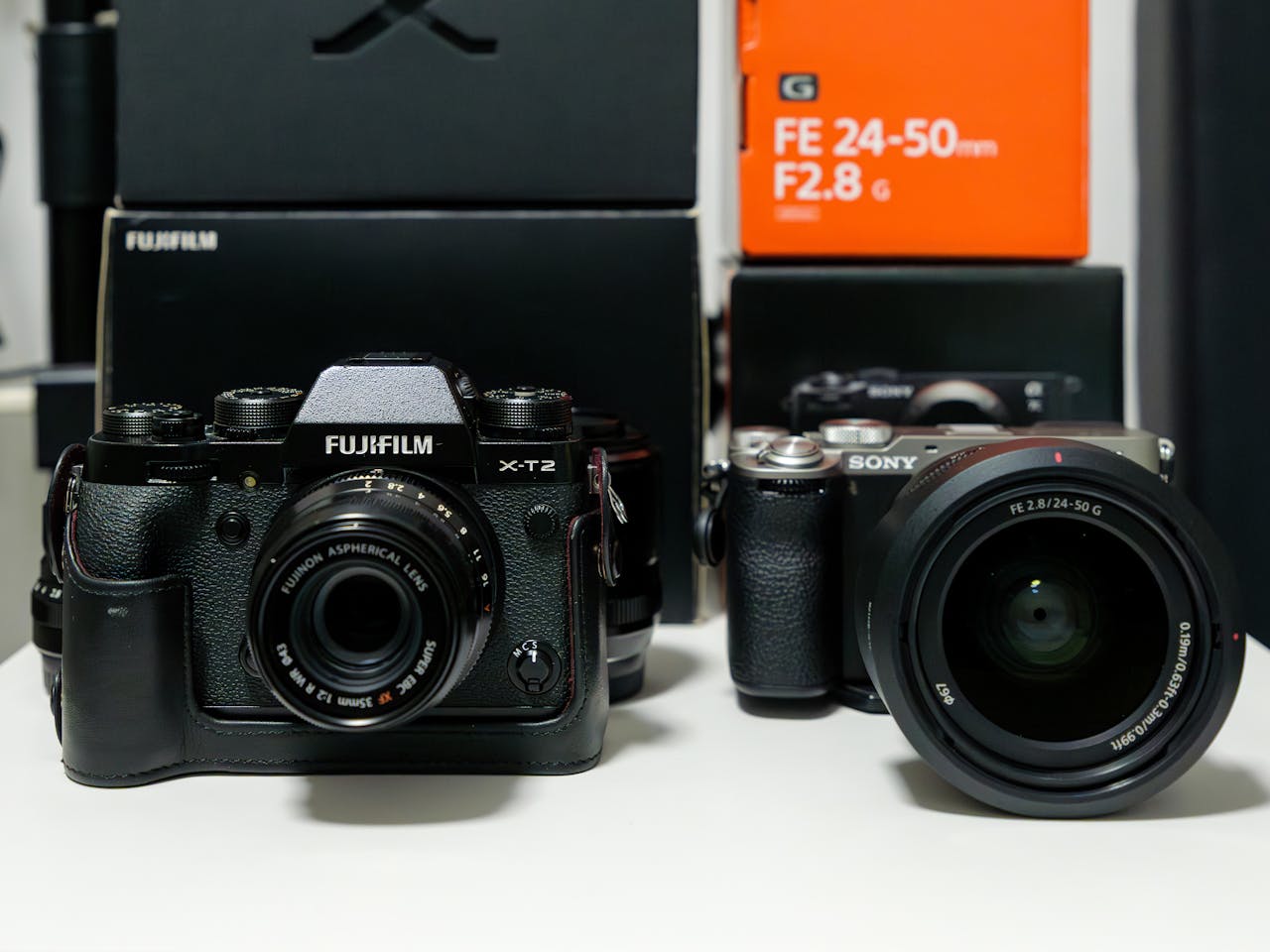
In rapidly evolving industries that range from manufacturing to quality control, the demand for high-performance industrial cameras is literally at an all-time high. These innovative devices play a pivotal role in enhancing operational efficiency and ensuring stringent quality standards. But what exactly defines a high-performance industrial camera? Let’s delve into the key components and features that elevate these cameras to indispensable tools for industrial success.
Resolution and Image Quality
Resolution is a critical consideration when determining the quality of an industrial camera. High-performance cameras are engineered to capture images with exceptional clarity and detail. They achieve this through a higher pixel count, allowing for greater accuracy in detection and inspection tasks. An industrial camera with superior resolution delivers high-quality images that are crucial for tasks requiring precision, such as printed circuit board inspections and defect identification.
Speed and Frame Rate
Speed is another defining characteristic of a high-performance industrial camera. The ability to capture fast-moving objects without any loss of detail is paramount in industries like automotive assembly lines and package sorting. Frame rate, typically measured in frames per second (fps), is a key determinant of speed. Cameras with higher fps capabilities are preferred for applications that involve continuous monitoring and rapid analysis. For instance, best industrial camera from VA Imaging provides top-of-the-line options with high-speed imaging capabilities.
Robustness and Durability
Industrial environments are often harsh and demanding, posing risks of damage to sensitive equipment. A high-performance industrial camera is designed with robustness in mind, built to withstand extreme conditions such as high temperatures, dust, moisture, and vibration. Durability is not just about the external casing; it extends to the internal components as well, ensuring the camera continues to function optimally under challenging conditions.
Flexibility and Integration
In environments where adaptability is crucial, flexibility in integration and application defines a high-performance camera. The ability to work seamlessly with existing systems and software without extensive modifications is a significant advantage. These cameras often support a variety of interface standards, such as USB, Ethernet, and FireWire, allowing for compatibility with a range of industrial processes and systems.
Advanced Triggering and Synchronization
Triggering and synchronization are critical for coordinating with other devices and processes. High-performance industrial cameras come equipped with advanced triggering options that facilitate precise timings, crucial for applications like high-speed recording and slow-motion analysis. Synchronization capabilities allow for the coordination of multiple cameras and other equipment, ensuring a unified and cohesive workflow.
Customizability and Application-Specific Features
The growing diversity of industrial applications has prompted camera manufacturers to offer customizable solutions. High-performance industrial cameras can be tailored to fit specific operational needs, such as varying sensor sizes, lens mounts, and spectral sensitivities. This customizability ensures that cameras are not just generic tools, but rather, purpose-driven technological investments that enhance operational capabilities.
The Vision Behind High-Performance Imaging
Ultimately, what defines a high-performance industrial camera is a confluence of technological innovation, reliability, and adaptability. With the ability to, literally, transform raw industrial environments into data-driven hubs of efficiency, these cameras are at the forefront of modern industrial advancement. By understanding the fundamental characteristics that make an industrial camera high-performing, industries can make informed choices that enhance their capabilities, productivity, and competitive edge.